Craft guide
Keep costume details consistent
A character's costume is half their identity. Lose the red cape or the brass buttons and the reader stops recognizing them. This guide is about protecting the specific wardrobe details that carry the most identity.
Not all costume details are equal. Some — a bold cape, a signature colour, a distinctive hat — are load-bearing: they are how a reader identifies your character at a glance. Others — a tiny brooch, a line of fine embroidery, a small emblem — are fragile under generative editing. Knowing which is which lets you build a character that stays recognizable even when the fine print shifts.
Build identity on the details that carry
- Silhouette and large garments — cape, coat, dress, hat — carry very reliably. If your character reads by silhouette, they will stay recognizable.
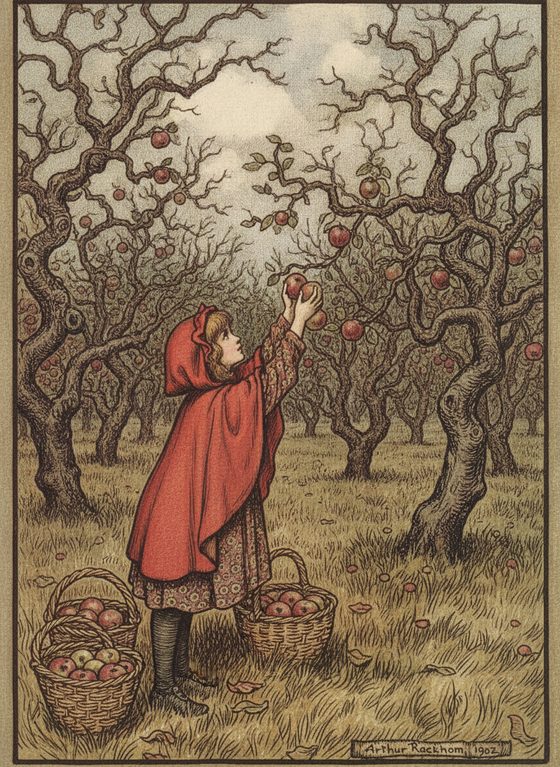
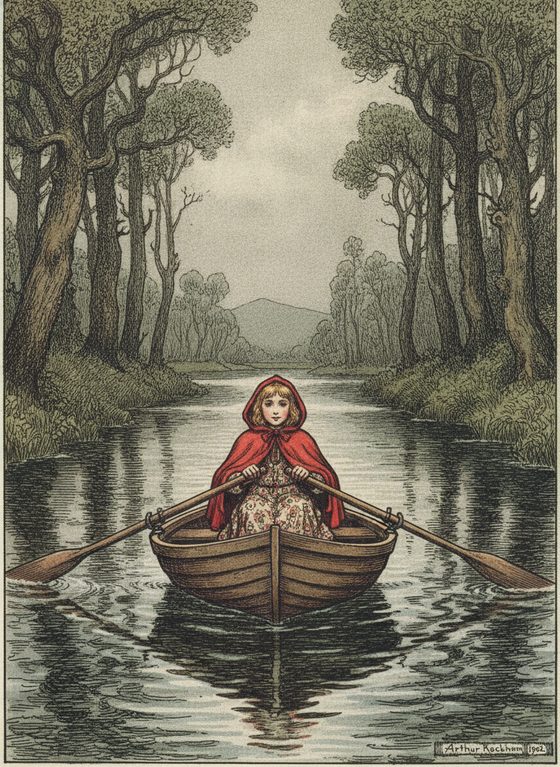
- Signature colours hold well. A red hood, a teal mane, a blue jacket become shorthand for the character and survive scene changes.
- Distinctive single props — a lantern, a staff, a checked waistcoat — are strong identity anchors. Name them in every prompt.
Protect the fragile details deliberately
Fine filigree, small badges, tiny buckles, and any lettering on the costume are the first things to soften from scene to scene. You have two good options. First, name the detail explicitly — "keep the gold cape clasp" — which measurably improves how often it survives. Second, for a truly critical mark, composite it back in afterwards in a design tool rather than trusting every generation to reproduce it perfectly.
Name what stays, every single time
The single most effective habit is writing an explicit "keep" clause in every scene prompt: keep the outfit, keep the colours, keep the specific accessory. It is the difference between the workbench guessing and the workbench preserving. Pair that with a clean reference that clearly shows the costume, and your character's wardrobe stays coherent across a whole series. The reference photo guide covers how to shoot a costume clearly.
Questions, answered plainly
Which costume details are safest to rely on?
Large, prominent, colourful ones: capes, coats, hats, signature colours, and single distinctive props. These carry a character's identity and survive scene changes reliably. Build your character so its recognizability rests on these, not on tiny detail.
How do I keep a small emblem or badge exactly right?
Name it explicitly in every prompt, which helps a lot. For a mark that has to be perfect every time — like a real crest or logo — generate the scene and then composite the emblem back in with a design tool, rather than expecting each generation to reproduce fine detail.
Why did my character's outfit colour shift?
Usually because the scene introduced strong competing colours or the prompt did not name the palette. State the wardrobe colours in every scene prompt and keep anchoring to the same reference — that keeps the palette from drifting toward the background.
Does keeping costume details cost extra?
No — it is just how you write the prompt. The workbench starts with one free watermarked preview, and you buy one-time 4-, 12-, or 40-scene packs only when you generate more. There is no separate charge and no subscription for keeping detail consistent.
Keep the outfit that says it's them
Bring your character and name what stays. The workbench keeps the costume recognizable.
One free watermarked preview here — no signup. Choose a pack only after you inspect the scene.